Wildfire smoke may harm whales and dolphins
The emerging research on wildfire smoke and marine mammals highlights a broader truth about Earth’s systems: what happens on land rarely stays on land.
Wildfires are often seen as a terrestrial disaster, but their impact does not stop at the shoreline. Wildfire smoke may also affect marine mammals such as whales and dolphins, species that depend on clean air every time they surface to breathe.
Although research is still limited, scientists are beginning to understand how smoke, toxic particles, and chemical pollutants from fires can travel from burning landscapes into coastal ecosystems
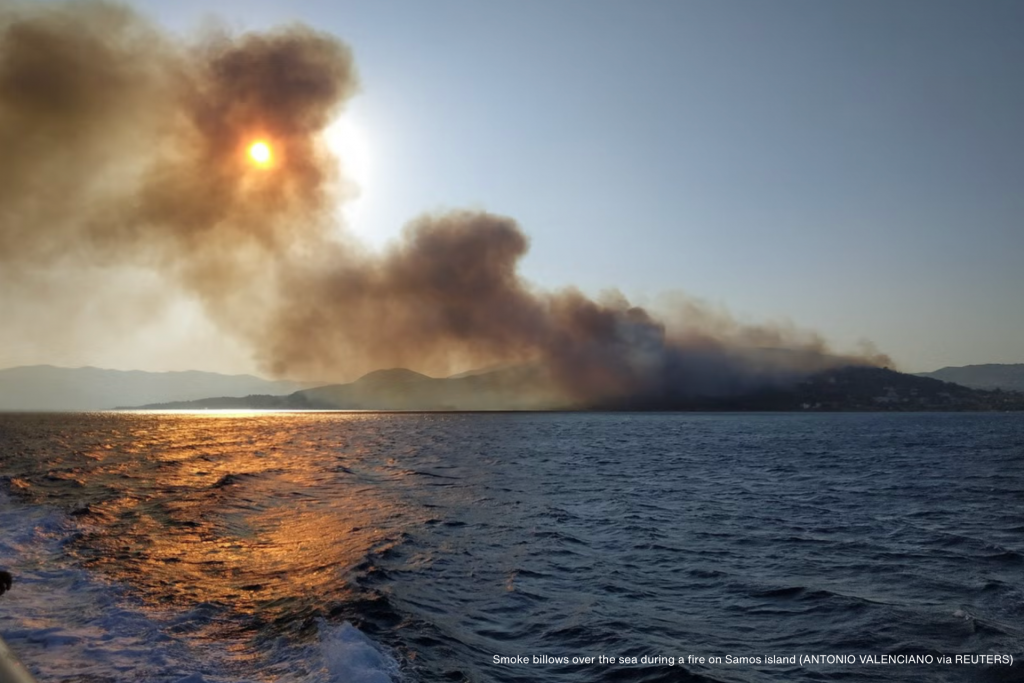
Whales and dolphins must regularly surface to breathe atmospheric oxygen through their blowholes. Wildfire smoke contains fine particulate matter, like carbon monoxide and toxic chemicals such as polycyclic aromatic hydrocarbons (PAHs)
Previous environmental disasters
Studies on wildfire smoke and cetaceans are still rare. After the Deepwater Horizon oil spill for example, some oil was burned at the ocean’s surface, and releasing smoke into the air. Researchers later found that bottlenose dolphins exposed to these pollutants developed severe lung disease weakened immune systems, and higher calf mortality.
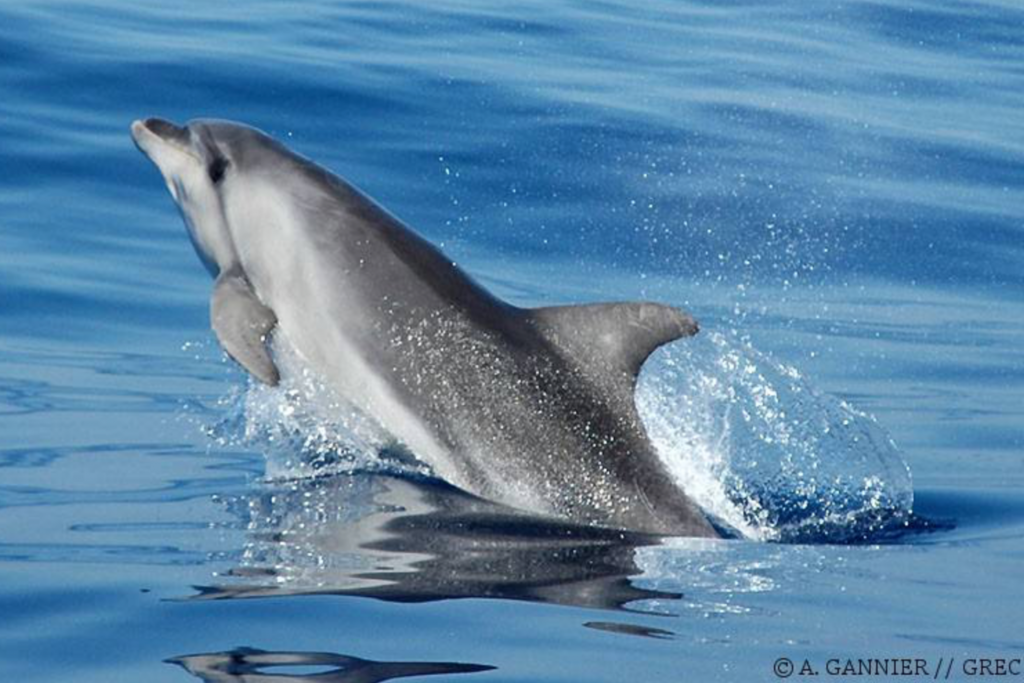
Source : cetaces.org
New studies
Recent research has begun to detect wildfire related pollutants inside marine mammals.
In the northeastern Pacific Ocean, scientists have found polycyclic aromatic hydrocarbons in the tissues of killer whales. These compounds can potentially causing cancer or genetic mutations.
Other research in South America suggests that forest fire smoke may threaten endangered river dolphins and this highlight that the issue is not limited to ocean species.
Other effects on ocean ecosystems
Ash and burned debris can wash into coastal waters altering marine ecosystems and potentially affecting the animals’ food sources. Smoke particles in the atmosphere may reduce sunlight reaching the ocean surface and influencing the productivity of phytoplankton
The emerging research on wildfire smoke and marine mammals highlights a broader truth about Earth’s systems: what happens on land rarely stays on land.
.
Sources:
Gibbens, S. (2020). : Wildfire smoke may harm whales and dolphins. National Geographic.
Aliaga-Rossel, E. et al. (2025) : Forest fire smoke as a threat to the health of river dolphins. Conservation Biology.
University of British Columbia Ocean Pollution Research Unit (2023).: Toxic chemicals from wildfire smoke detected in killer whales.
CSIRO Marine Research. : Impacts of wildfires on marine species.